Side effects of microblading eyebrows

Microblading has gained popularity as a semi-permanent solution for achieving perfectly shaped eyebrows. Although it can enhance your appearance, it’s essential to understand the potential side effects associated with this procedure. In this article, we will explore the various risks and side effects of microblading, ensuring you’re well-informed before you decide to go through with it.
What is Microblading?
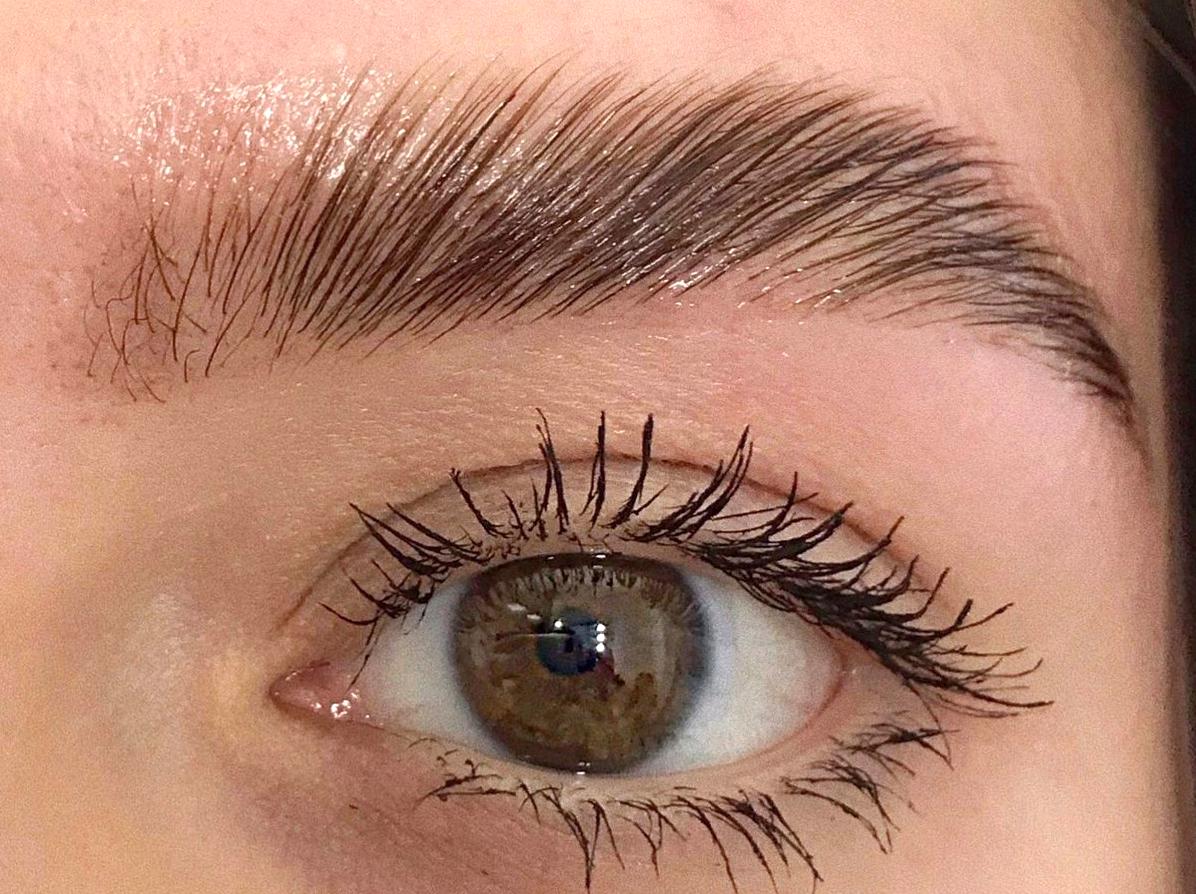
Microblading is a cosmetic tattooing technique that involves using a fine blade to deposit pigment into the skin, creating the appearance of fuller, more defined eyebrows. This method provides a natural look, often lasting anywhere from one to three years, depending on skin type and aftercare. However, despite its benefits, microblading is not without risks. Potential side effects can arise during and after the procedure, drawing attention to the importance of choosing a skilled and certified technician.
Common Side Effects of Microblading
While many people may enjoy beautiful results from microblading, several common side effects can occur, particularly in the days following the procedure. Some of these include:
- Redness and Swelling: After the procedure, it’s common for the skin around the eyebrows to appear red and swollen, similar to a minor sunburn. This typically subsides within a few days.
- Itching and Discomfort: The area may feel itchy or uncomfortable, prompting the desire to touch or scratch the brows, which can worsen irritation and prolong healing.
- Scabbing and Flaking: As the skin begins to heal, scabs may form. It’s crucial not to pick at these, as it could remove the pigment and alter the results.
- Allergic Reactions: Some individuals may have an allergic reaction to the pigments or numbing agents used during the procedure, resulting in hives, swelling, or severe itchiness.
- Infection: Like any procedure that breaks the skin, there is a potential risk of infection if proper hygiene practices are not followed pre- and post-procedure.

Serious Side Effects to Consider
While most side effects are temporary and manageable, serious complications can arise. Understanding these risks is crucial:
-
- Scarring: In rare cases, the skin may scar from the microblading process, resulting in unwanted marks or uneven texture in the brow area.
- Discoloration: Pigments can fade or oxidize, which may lead to unexpected color changes, with brows appearing too dark, too light, or even greenish over time.
- Loss of Hair: Microblading involves cutting into the skin, which may disrupt natural hair growth in the eyebrow area for some individuals.
- Skin Conditions: Pre-existing skin conditions such as eczema, psoriasis, or keloid tendencies can worsen, especially in susceptible individuals.
Aftercare for Minimizing Side Effects
Proper aftercare is critical in reducing the risk of side effects and ensuring optimal healing. Here are some recommended aftercare practices:
- Avoid Water Exposure: For the first week, keep your brows dry. Avoid swimming, saunas, and excessive sweating to ensure the pigments settle properly.
- Don’t Touch: Refrain from touching, rubbing, or scratching your eyebrows to minimize irritation and avoid introducing bacteria.
- Use Healing Ointments: Follow your technician’s aftercare instructions, applying recommended ointments to promote healing and moisture.
- Sun Protection: Avoid direct sun exposure to prevent fading and irritation. Use a broad-spectrum sunscreen when outdoors.
- Follow-Up Care: Attend any follow-up appointments with your technician to check for healing progress and touch-ups.
Conclusion
Microblading can provide stunning results, but it’s vital to weigh the potential side effects against the benefits. Understanding the common and serious side effects, along with proper aftercare, can significantly reduce risks and lead to a satisfying experience. If you are considering microblading, consult with a certified professional and ensure that you are well-informed about the procedure, its implications, and suitable aftercare practices. Remember, your vanity is important, but so is your health.
Frequently Asked Questions (FAQs)
Most side effects, like redness and swelling, typically subside within a few days. However, itching and scabbing can last up to two weeks as the skin heals.
2. Can anyone get microblading?
No, certain conditions like blood disorders, skin conditions, or allergies to pigments can contraindicate the procedure. Consulting a professional is crucial.
3. How can I minimize the risk of infection?
Following aftercare instructions diligently, ensuring the procedure is done in a clean environment, and avoiding touching the area can minimize infection risks.
4. What should I do if I experience an allergic reaction?
If you notice signs of an allergic reaction, such as severe itching, hives, or swelling, contact your technician or a medical professional immediately.
5. Can microblading fade over time?
Yes, microblading is semi-permanent and can fade due to sun exposure, skin type, and quality of pigment used. Regular touch-ups are necessary to maintain the look.
