Fine Line Tattoo Fading In Sun: How Australian Summer Changes Longevity

“How does sun exposure in the Australian summer affect the longevity of a fine line tattoo compared to a bold traditional piece?” Short answer: A fine line tattoo usually fades faster in the strong Australian sun than a bold traditional tattoo. That is because fine-line work uses lower ink density, finer outlines, and often lower colour saturation, so UV rays can break down visible detail sooner. I’m Olha Po, and while my daily work at Cosmetic Tattoo Studio Melbourne Face Figurati focuses on cosmetic tattooing, the same skin-healing and pigment behaviour principles apply here: sun matters, and in Australia, it matters a lot. If you’re interested, explore more about fine line tattooing course.
If you live in Melbourne, you probably know that the weather can be a real trial by fire. One day its all cool and windy, the next day you’re sweltering on the beach at St Kilda, wondering to yourself, “how did I end up with a burn in 20 minutes at a café in Fitzroy that’s been overcast all day?” That’s enough to wreak havoc on the longevity of sun-exposed tattoos, especially during the first few weeks, when the ink is still healing and delicate line work is particularly vulnerable.
Why Summer’s Such a Pain
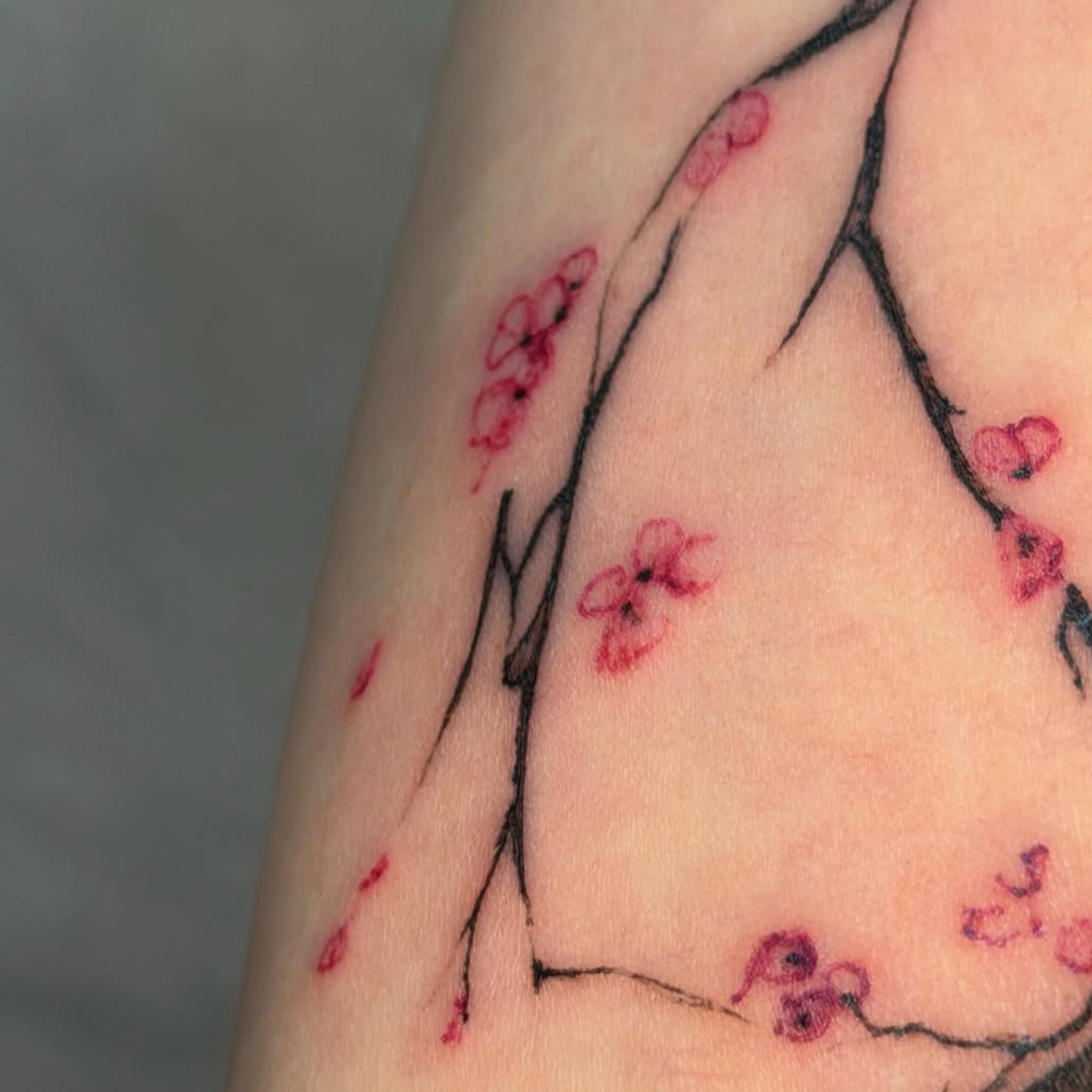
Australian summers are notorious for being kind to your skin, and tattoos are no exception. The only way to keep your tattoo looking its best for longer is to understand what’s going on beneath the surface, not just what you can see in the mirror.
According to the Cancer Council Australia and SunSmart, Australia’s got some of the highest UV levels in the world for most of the year – and UV can do damage even on cloudy or milder days. That’s a problem because tattoo pigment is sitting in your skin, and damaged skin just can’t keep the tattoo looking crisp and clear like it used to.
How UV Destroys Pigment
UV rays are what break down tattoo pigment over time – and the end result is a gradual loss of colour, a dulling of the design, and in some cases a softening of the lines. And it’s not just the loss of colour that’s the issue – it’s also the loss of definition.
When I’m talking to new clients in the studio, one thing that catches them off guard is the belief that fading only happens after years and years of wear and tear. But the truth is, careless sun exposure in the early days can have a big impact on how the tattoo settles in the first place – and that’s a problem if you’re planning on spending a lot of time at the beach this summer.
Why Fine Lines Are The First To Go
Fine line tattoos can look absolutely stunning when they’re first done – airy, elegant and really beautiful. But they’re also much more fragile than a bold traditional piece. When a tattoo is made up of tiny lines and is often created using a single needle, there just isn’t much visual weight to hold it up against the passage of time, friction, and the sun.
Once a little softness creeps in, the whole design can look lighter and less defined much sooner than you’d expect.
Less Ink, Less Room For Error
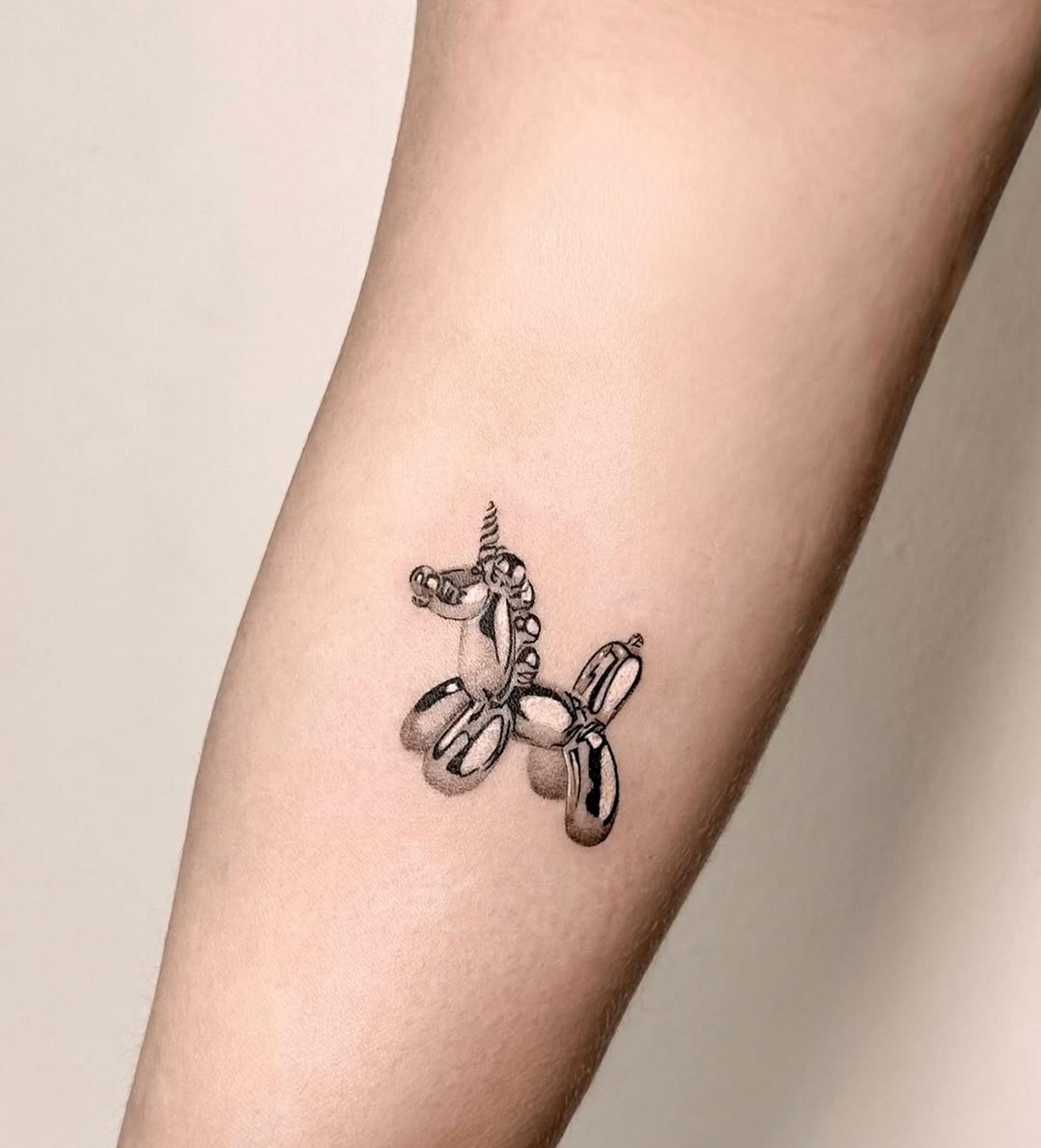
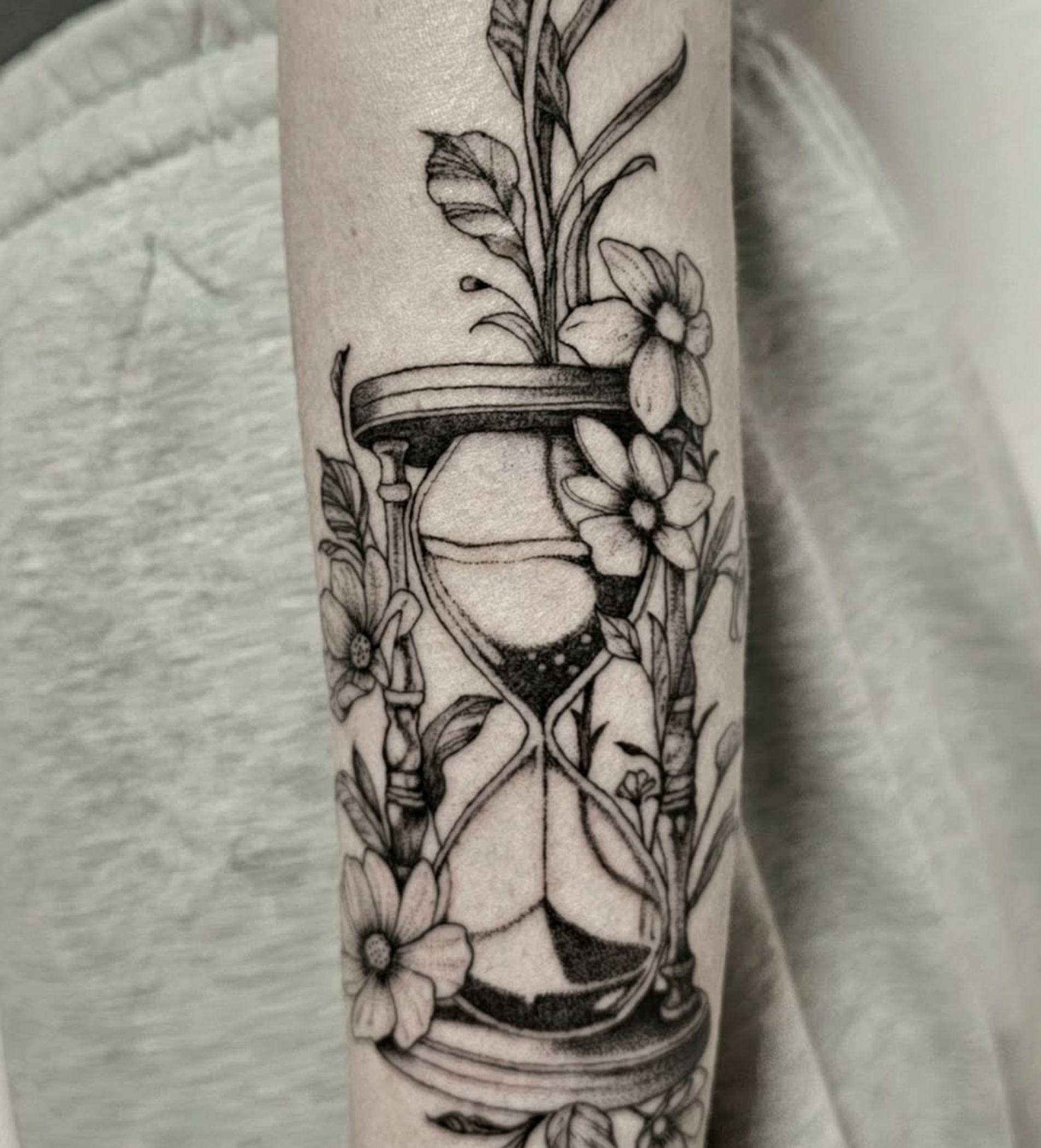
A traditional tattoo, on the other hand, usually has thicker outlines, more packed pigment and stronger contrast – which means it’s got a lot more staying power when the skin is subjected to years of sun, exfoliation and natural ageing. Fine-line work just doesn’t have the same buffer.
One thing people often get wrong is assuming that a fine-line tattoo will fade “more elegantly” as it goes. But the truth is, sometimes it fades unevenly, or patchily, or just becomes hard to read. And I always say the same thing to my cosmetic tattoo clients when they’re thinking about getting ultra-soft work: a subtle tattoo can be lovely, but it’s also got a lot less forgiveness if you don’t take good care of it.
Bold Work Will Still Hold Its Shape
Traditional tattoo longevity is usually stronger because, even when a bold line starts to fade, it still reads as part of the design. If a fine line, on the other hand, starts to soften by the same amount, you may notice the blurring or loss of detail much sooner.
| Factor | Fine Line Tattoo | Bold Traditional Tattoo |
| Line weight | Very thin | Thick and defined |
| Ink density | Lower | Higher |
| Sun tolerance | Lower | Higher |
| Early fading visibility | More obvious | Less obvious |
| Touch-up frequency | Often sooner | Often less frequent |
What Speeds Up Tattoo Fading

The sun is a major factor, but it’s not the only one that affects how fast a tattoo fades. Your placement, how easily your skin heals, your skin type, and your daily habits all play a part in the fading process that Australian clients notice over time.
Clients from Melbourne, in particular, often have a pretty well-rounded mix of office days, Pilates sessions, beach weekends and summer strolls. If you’re not being careful, that’s a pretty hostile environment for a fresh tattoo.
Where You Get Inked, and Your Skin Comes Into Play
Fine-line tattoos are especially prone to fading when placed on areas that get a lot of sun and friction, such as the hands, fingers, wrists, shoulders, or ankles. And if you’ve got oily skin, you’re probably sweating a lot, which doesn’t help. If you have sensitive skin or eczema, or if you tend to have trouble with skin healing, you might find that your tattoo doesn’t age as well as you’d like.
When we see people coming in for tattoo touch-ups because they’re not retaining their ink as well as they’d like, it’s often because of a series of little mistakes – going to the beach without taking care of your tattoo, neglecting aftercare because you were in a hurry, picking at your scabs, getting sun on your tattoo, and so on.
Looking After Your Tattoo After You Get It
The two weeks immediately after you get a tattoo are the most vulnerable, and it takes around two to four weeks for your tattoo to fully settle in and heal. If you only have one session and you expose your tattoo to the elements too early, you can expect it to look a bit fuzzy and may need to come back sooner for a touch-up.
Protecting Your Fresh Tattoo
This is where good intentions turn into actual habits. If you get tattooed in the summer, taking care of your tattoo is part of the deal – sorry, but it is.
For readers asking, “How long do I have to keep a fine line tattoo out of the sun?” – the answer is you should keep your tattoo out of direct sun for at least two weeks, and ideally avoid prolonged exposure until it’s fully settled in. Your artist may have specific advice based on where they placed the tattoo and how quickly your skin heals.
Summer Tattoo Aftercare 101
Summer tattoo aftercare needs to be simple but strict:
- Keep the area clean and dry for the first bit of healing
- Avoid the sun, swimming, saunas and heavy sweating for the first while
- Wear loose clothing over exposed areas
- Don’t put sunscreen on a fresh, open tattoo unless your artist says it’s okay to do so
We get asked all the time if it’s okay to go back to work or out socially after getting a tattoo. Usually, the answer is yes, but with a bit of common sense. If you’ve got office work to do, that’s fine. But if you’ve just got a new tattoo and you’re planning on spending the day in the sun at a music festival? Yeah, that probably isn’t such a good idea.
Build a Long-Term Sun Habit
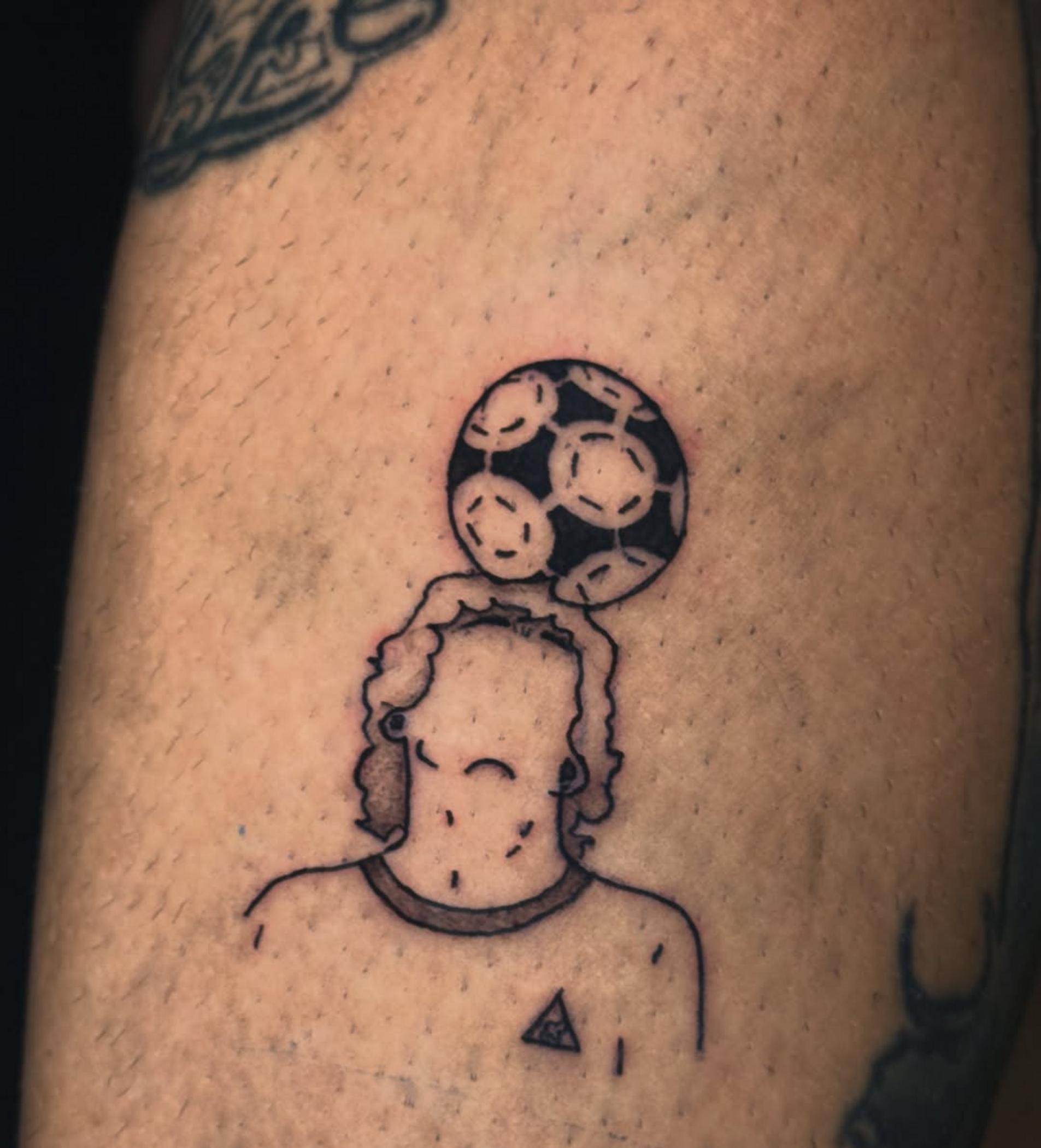
Once your tattoo is all healed, the daily protection routine really starts to pay off. This is where fine line tattoo care separates the good from the bad – it’s what makes some tattoos age like a pro, and others look tired too soon.
Cancer Council Australia and SunSmart have great advice on protecting ourselves from the sun – for tattoo owners, that means using a combination of clothing, shade and sunscreen. Just slapping on the same old sunscreen you’ve had in the car for who-knows-how-long doesn’t count as a proper sun protection strategy.
Getting the Most out of SPF
For healed tattoos, use a broad-spectrum sunscreen with at least SPF 50+, and reapply when you’re out in the sun. And let’s be honest, if you’re working out, driving with a window down or sitting by a bright window, it still counts. This is why artists in Australia – places like Fitzroy Tattoo, Muse Fine Line Tattoo, Art n Soul, Independence Ink, Eleven Pillars Tattoo Studio and Robertson Tattoos, to name a few – always stress how important sun protection is as part of your tattoo maintenance routine, rather than something you do if you remember.
When to Book – and When to Wait
If you’ve got a big trip, sports event, beach holiday or outdoor job coming up, it might be a good idea to delay your tattoo booking. Trust me, your tattoo (and your wallet) will thank you.
In particular, if you’re getting a fine line design in a high-exposure area, it’s a good idea to wait until things calm down a bit. I’ve found that clients who book in when things are less hectic tend to heal better and need fewer follow-up sessions.
The People Who Shouldn’t Rush
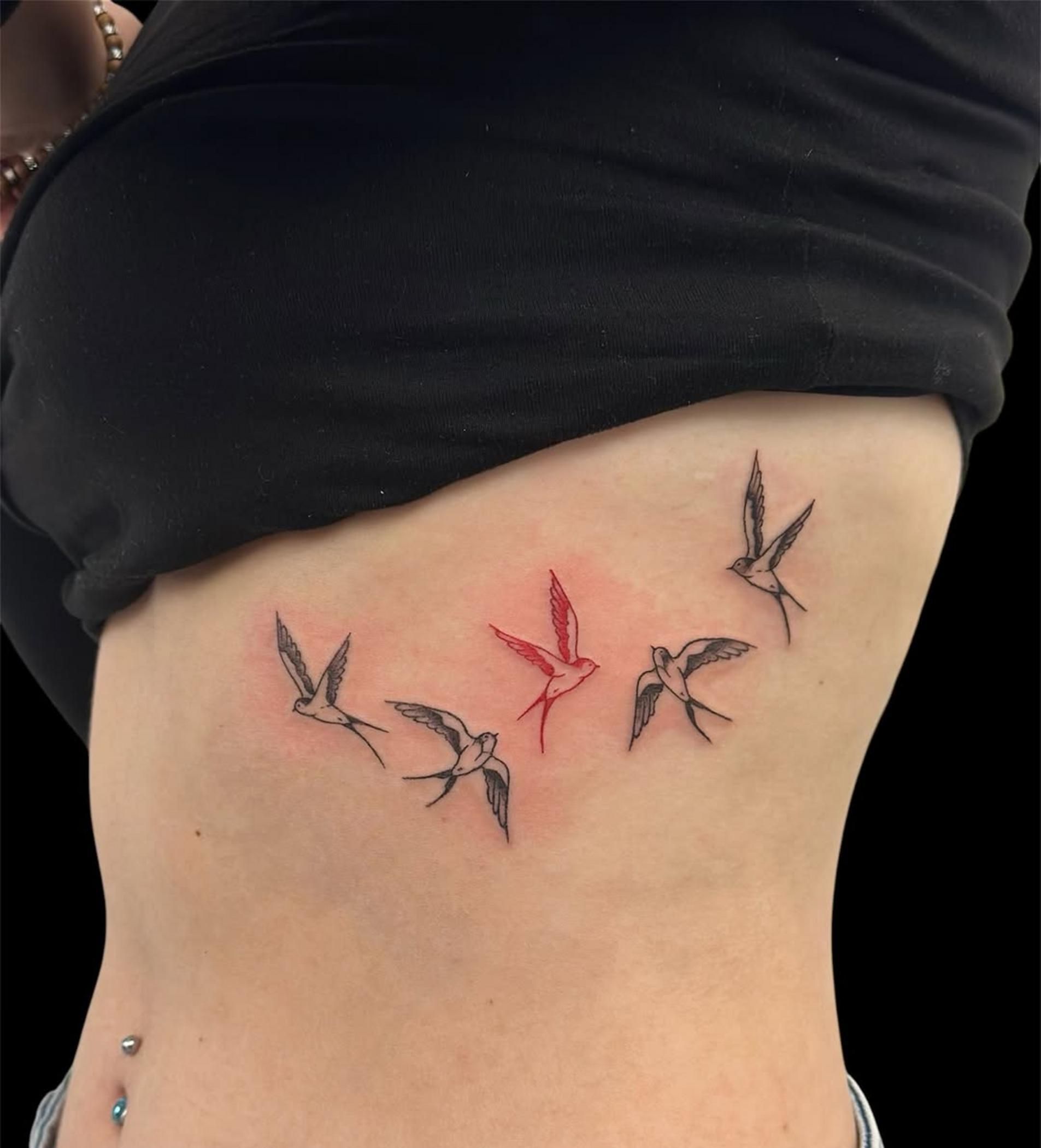
If you’re prone to skin problems, can’t avoid the sun, have unrealistic expectations, or want your tattoo to look super sharp on a thumping hotspot like your ankles, then it’s probably worth holding back. And let’s not forget the cost – many tattoo artists charge by the hour, so if you need multiple touch-ups because you didn’t plan ahead, that’s money that could be spent elsewhere. Roughly speaking, small tattoos can start at around $150-$250, and things can get a lot pricier from there.
The Reality of Tattoo Maintenance
The reality is that even the best-done tattoos will change over time. They won’t stay looking like day one forever. So let’s aim for smart choices that make them last, rather than trying to freeze them in time.
At Cosmetic Tattoo Studio Melbourne, Face Figurati is the way to go – we always talk about what to really expect, rather than just selling hype. Fine line tattoos can be amazing, but if you’re after long-term durability, bold traditional work might be a safer bet in the Australian sun.
How Long Should You Expect to Wait?
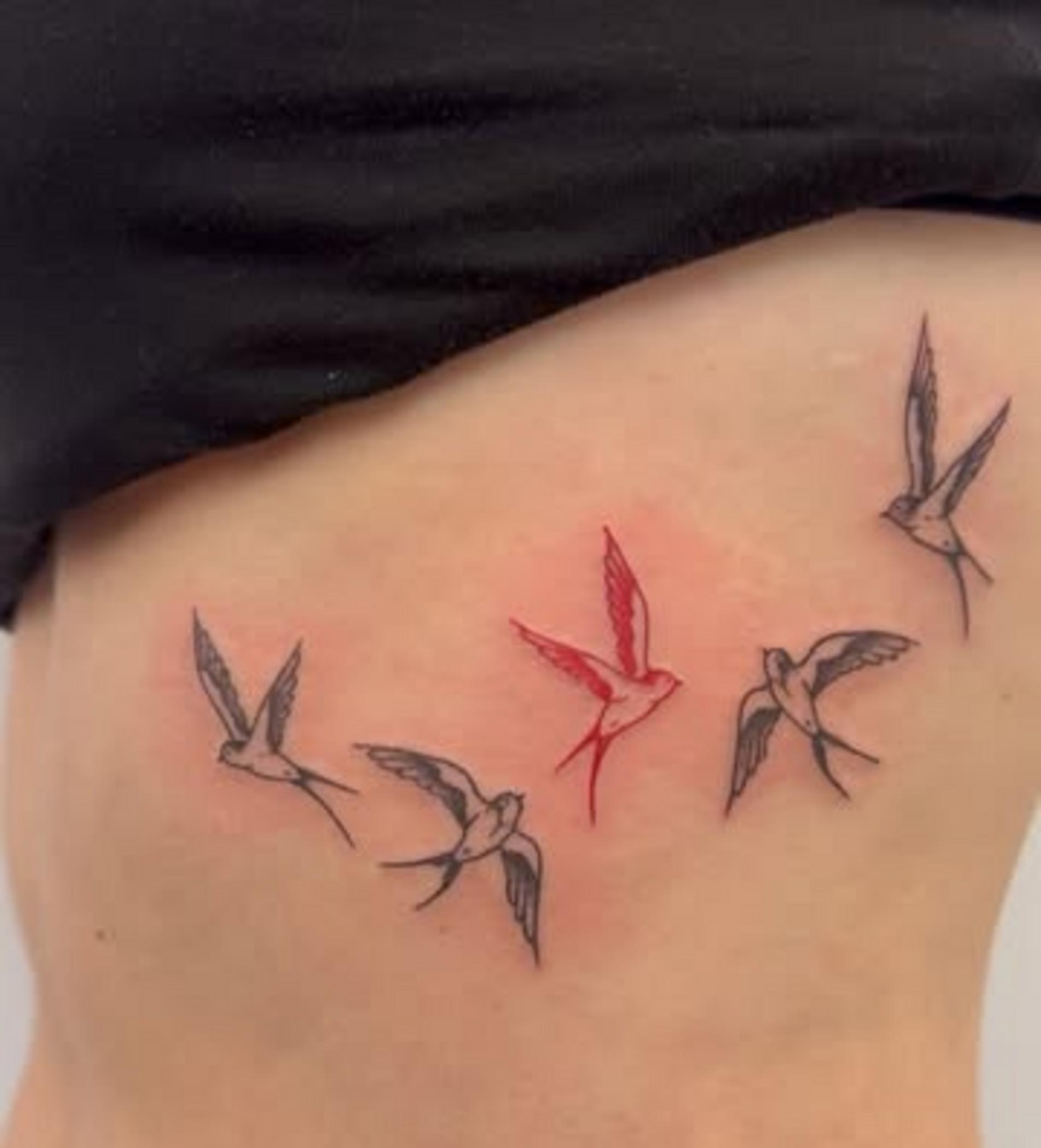
The thing about fresh tattoos is that they often look darker and sharper than they do when they’re fully healed. And fine-line tattoos may need review a bit sooner than the bigger stuff, depending on where they are on your body and how much sun they get. Some people like to get some maintenance work done within 6 to 18 months, while others might be okay waiting a bit longer. Studios like Removery are always happy to talk you through all this and explain how fading patterns will affect your options for touch-ups or removal down the track.
Not sure what style will suit your lifestyle? Contact me at Face Figurati – I’m always happy to chat about what really lasts, rather than just what looks good on the first day.
FAQ
These are the questions I hear most often from clients comparing delicate and bold tattoo styles in Australia.
Does Sun Exposure Affect Tattoos?
Yes. UV exposure can fade pigment and soften detail, especially in fine line tattoos.
What Is The 1/3 Rule Tattoo?
It usually refers to leaving enough spacing and proportion so the tattoo ages more clearly over time. Exact use varies by artist.
Why Don’t Fine Line Tattoos Age Well?
They can age well, but they are more vulnerable because thin lines and lower ink density show fading sooner.
How Long To Keep A Fine Line Tattoo Out Of The Sun?
At least through the initial healing stage, commonly 2 weeks, and longer if the area is still settling or exposed often.
