Is microblading the same as getting a tattoo

Microblading and tattooing may seem similar at first glance, as both processes involve pigment application to the skin. However, they are distinct in techniques, permanence, and overall purpose. This article will delve into the differences and similarities between microblading and traditional tattooing, helping you understand what sets these two beauty services apart.
Understanding Microblading
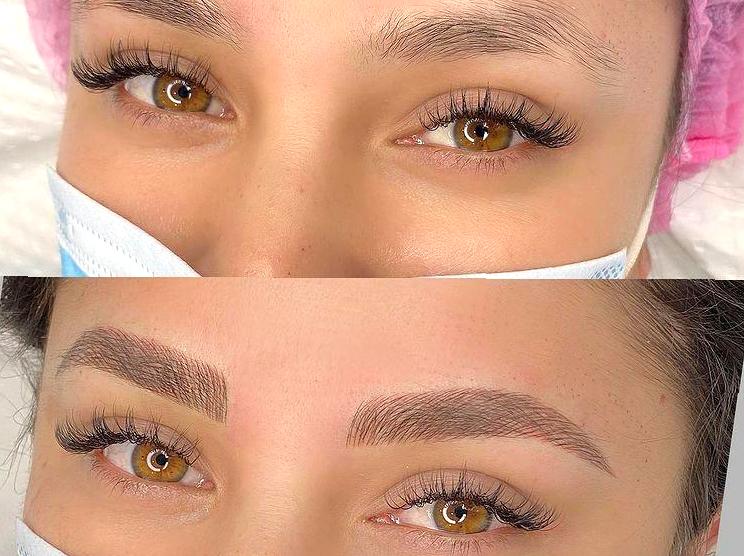
Microblading is a semi-permanent cosmetic procedure that enhances the appearance of eyebrows. Unlike a traditional tattoo where ink is injected deep into the skin, microblading involves using a handheld tool equipped with fine blades to create hair-like strokes in the epidermis. This method allows for greater precision and realism, mimicking the natural hairs of the brow. The pigments used in microblading are usually more natural-looking and are applied at a shallower depth compared to traditional tattoo inks. The effects of microblading generally last anywhere from one to three years, requiring touch-ups to maintain the desired look. This short-term commitment allows individuals to change their brow shape and color according to trends or personal preferences without long-term repercussions.
Exploring Traditional Tattooing
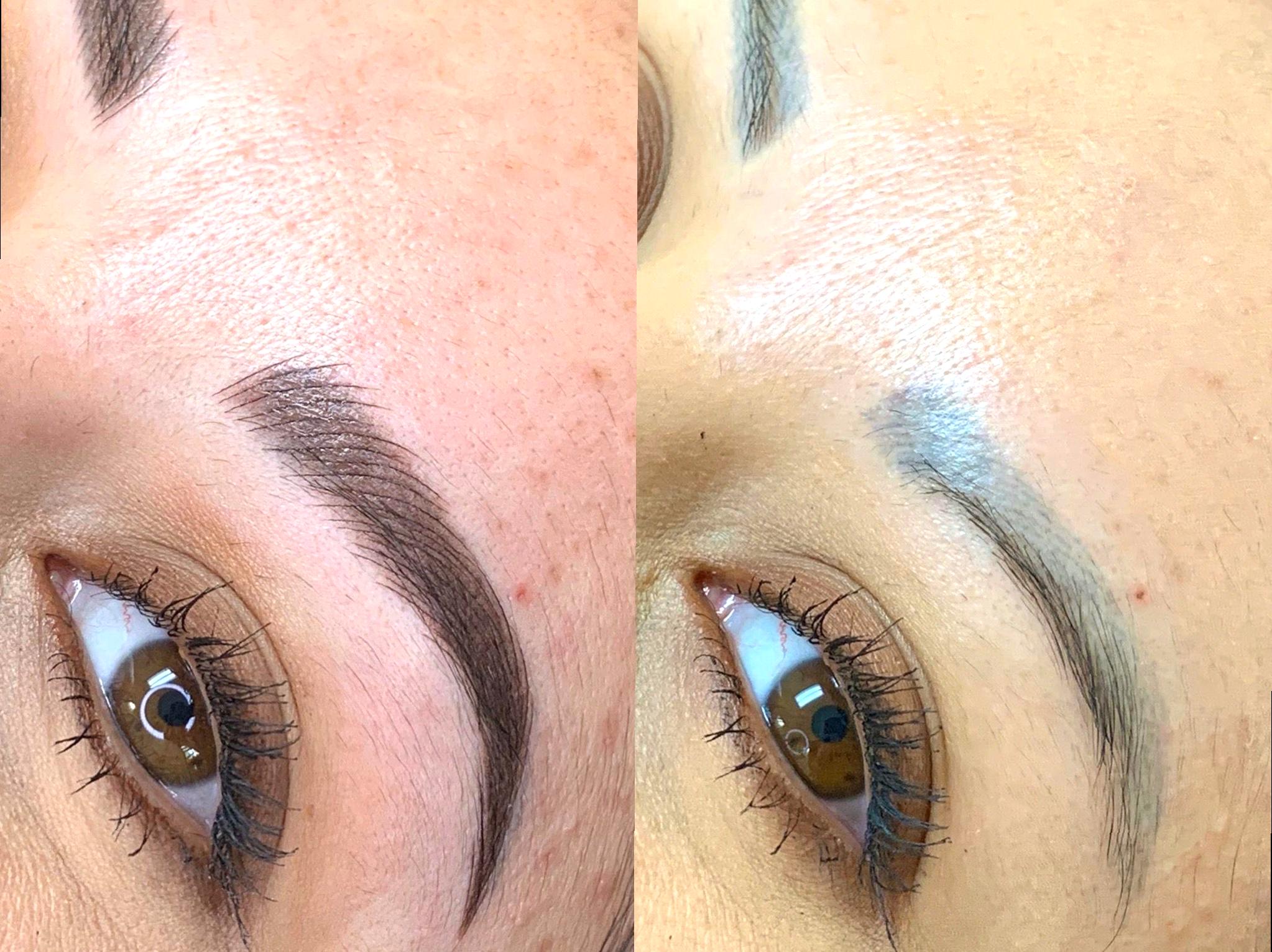
On the other hand, traditional tattooing involves inserting ink into the dermis layer of the skin using a machine with needles. The deeper placement of ink makes tattoos permanent, as the dermis does not naturally shed like the epidermis. Tattoos can come in various designs and colors, allowing for personal expression and creativity. Because of the permanence of tattoos, individuals must carefully consider their designs, as removal can be both painful and costly. Also, traditional tattoo inks are often composed of heavier pigments, which can create a bolder look but may be more challenging to remove or alter over time. Unlike microblading, tattoos do not require periodic touch-ups, though they may require maintenance to keep the colors vivid through time and skin aging.

Key Differences Between Microblading and Tattooing
The primary differences between microblading and traditional tattooing can be summarized in the following aspects:
- Technique: Microblading uses a manual blade to create strokes in the skin, whereas traditional tattooing utilizes a machine to insert ink.
- Pigment Depth: Microblading applies pigment to the epidermis, while tattoos are inked into the dermis.
- Permanence: Microblading is semi-permanent, lasting 1 to 3 years, whereas tattoos are considered permanent.
- Maintenance: Microblading typically requires touch-ups, while tattoos do not require regular maintenance.
- Appearance: Microblading offers a more natural look resembling real brow hairs, compared to the bold designs of traditional tattoos.
Similarities Worth Noting
Despite their differences, microblading and tattooing share some similarities that are important to recognize. Firstly, both procedures involve a certain level of skill and artistry by trained professionals, ensuring the outcomes are appealing and meet client expectations. Both methods also require pre-procedure consultations to assess the client’s desires, skin type, and any potential allergic reactions to pigments. Aftercare is crucial for both processes, ensuring that the healing is smooth and colors hold well. Moreover, both treatments can lead to minor discomfort during the procedure, which can often be mitigated with topical numbing creams. Lastly, both forms of body art carry risks, including potential infections or allergic reactions, thus emphasizing the need for reputable practitioners and sterile environments.
Conclusion
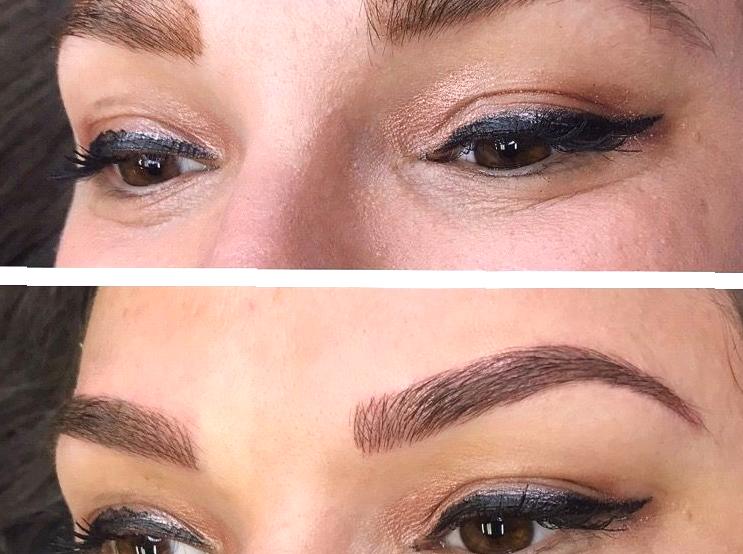
In summary, while microblading and tattooing may both involve the application of pigments to the skin, they are fundamentally different procedures. Microblading is a semi-permanent method focused on enhancing eyebrows with a natural look, whereas traditional tattooing offers permanent designs that can be applied anywhere on the body. Each technique appeals to different preferences, and understanding their differences can help individuals make informed choices about their cosmetic needs. Ultimately, whether you opt for microblading or a tattoo, it’s essential to consult with experienced professionals to achieve the best results.
FAQs
Microblading typically lasts between one to three years, depending on skin types, aftercare, and individual metabolism of pigment. Regular touch-ups can help maintain the desired appearance.
2. Is microblading painful?
Most clients report minimal discomfort during microblading, as a topical numbing cream is usually applied prior to the procedure. Sensations may vary depending on individual pain tolerance.
3. Can microblading be removed like a tattoo?
Microblading can fade over time, but if removal is desired sooner, it can be touched up or corrected. However, complete removal is more challenging than regular tattoos.
4. How should I care for my microblading after the procedure?
Post-care for microblading includes avoiding water, makeup, and excessive sweating on the brows for the first week, as well as applying recommended ointments to promote healing.
5. Are there any risks associated with microblading?
As with any cosmetic procedure, microblading carries risks including infection, allergic reactions, and dissatisfaction with appearance. Consulting qualified professionals can mitigate many of these risks.
