How To Spot A True Single-Needle Fine Line Tattoo In Portfolios

How can you spot a standard small tattoo versus a true single-needle fine-line tattoo when browsing portfolios? The quick answer is this: a genuine single needle tattoo will generally show mind-bogglingly thin, crisp lines, super-light and delicate shading that doesn’t overpower the whole piece, almost no ink spread, and the artist’s ability to keep that high level of precision – both in the freshly inked state and when healed.
I’m Olha Po, and while my day-to-day work at Cosmetic Tattoo Studio Melbourne Face Figurati is all about cosmetic tattooing, I spend heaps of time helping clients get their heads around line work, how healed tattoos look, pigment behaviour and why technique is king rather than trends. If you’re comparing tattoo portfolios in Melbourne and want to avoid getting caught out by this common confusion, this guide should help you to read between the lines, steer clear of the usual warning signs and not equate ‘small’ with ‘single needle’ just because a photo has great lighting.
Why the Difference Really Matters
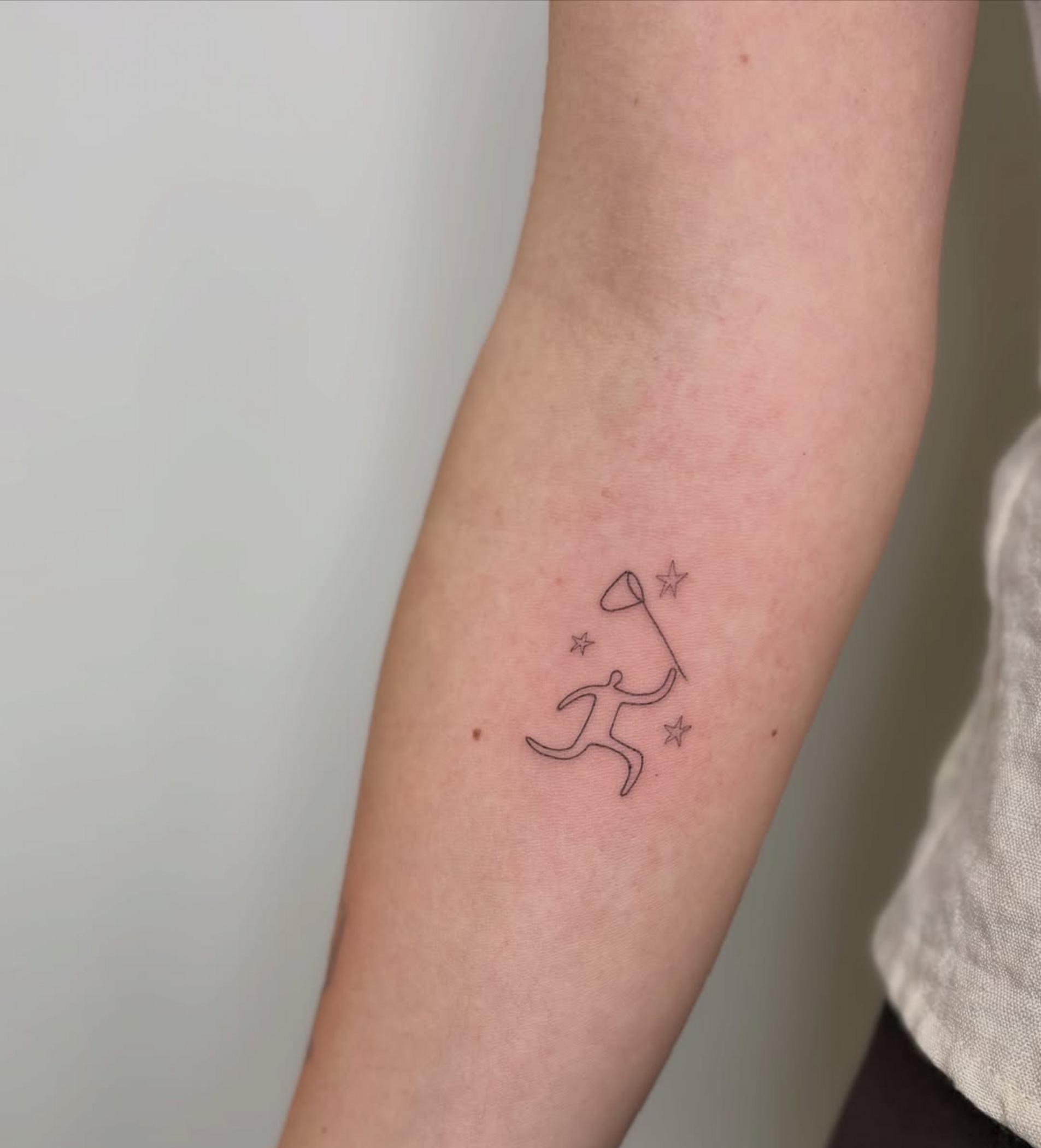
A tiny tattoo isn’t automatically a fine line tattoo, and a fine line tattoo isn’t automatically a true single needle tattoo. That distinction is important because the tools used, the pressure applied, the ink saturation, and the artist’s skill level all affect how the tattoo heals, how it looks over time, and whether you’ll still like it once the initial photo glow has faded.
What often catches people off guard is that portfolios usually show only the latest work, which always looks cleaner, sharper, and darker than healed tattoos. If you only go by how a tattoo looks on day one, it’s easy to mistake a standard small tattoo for a 1RL tattoo.
A Quick Scan Of The Portfolio
If you want a way to get an idea of a portfolio in a minute, this is how to do it:
- Look for close-up shots of the work in the portfolio, not just full-on photos or posed shots.
- Check if the artist shows off healed tattoo photos as well as brand-new work.
- Take a look at the line width. A real 1RL tattoo has lines that are exquisite in their delicacy and control.
- Check the shading. A single-needle tattoo often uses light stippling or dotwork for shading, rather than large swaths of dense fill.
- See if the artist even mentions the type of tattoo needle they use, such as 1RL, 3RL, or 5RL.
Reading The Lines For Real
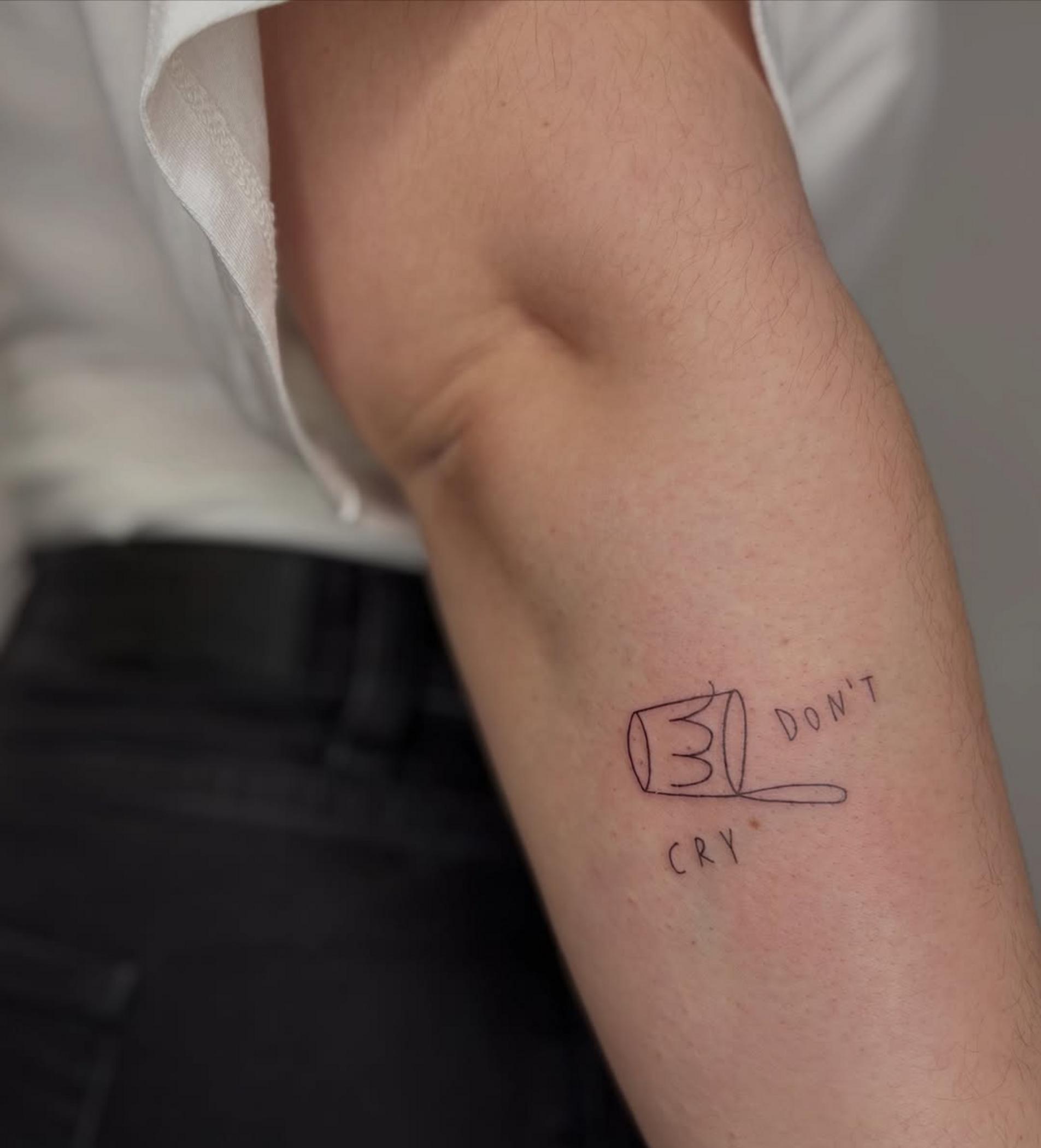
This is where the real difference comes out. When I sit down with clients to review portfolios, I always tell them to stop looking at the overall design and get in close to the edges. Even the best art can hide poor application technique.
A true single-needle fine line tattoo usually leaves a tiny visual footprint. The lines should be narrow, deliberate, and even, without looking fuzzy, overworked or overly outlined.
Thickness, Edges and Real Control
When it comes to a single needle tattoo, line consistency is everything – and that’s more important than complexity. Even a simple flower or script piece needs to show some finesse in its starts and curves, and a nice taper at the end. If the line’s chunky in the corners or suddenly gets bold in a certain area, the artist might have used grouped needles or been inconsistent with their hand pressure.
That doesn’t mean every line should be identical. In microrealism or illustrative work, some variation is what it’s all about. But there’s a difference between the kind of variation that’s deliberate and coming from an artist who knows what they’re doing, and just a messy, wobbly line that looks like it’s been put together by someone who’s still learning.
Watch The Shadows
Shading is usually where the truth comes out. People often focus just on the outline, but how an artist handles texture says a lot about whether they really understand fine-line tattooing.
For single needle portfolios, you’re usually seeing beautiful dotwork, stippling and subtle gradients. Standard small tattoos, on the other hand, show off denser ink packing, heavier grey wash or a more solid look.
Dotwork and Gradients – Give Me Some Quality
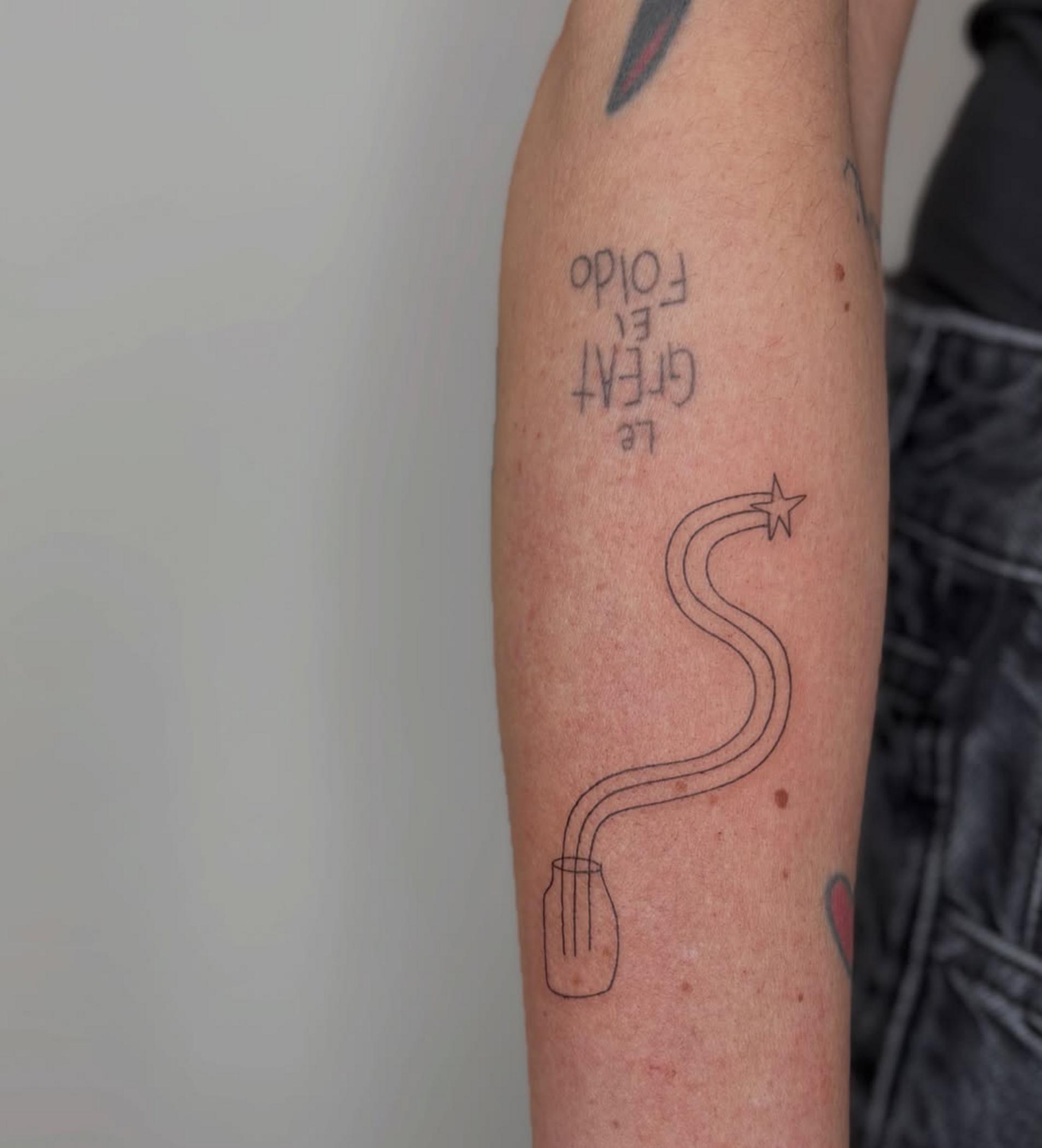
If you see dotwork that’s airy, evenly spaced, and looks smooth from dark to light, that’s a real sign of fine-line or micro tattoo work. But if the shading looks murky, patchy or just too dark for the size of the design, then that tattoo might not be a single needle after all.
When we talk about saturation in cosmetic work at Face Figurati – because too much pigment can mess up healing – the same principle applies here. If you overload a tiny tattoo with too much ink, it can quickly blot out the detail, especially if the client’s skin is oily or they work out a lot.
Needle Clues
You don’t need to be an artist to understand the basics of tattoo needles – just enough to know what to ask, and to see through the buzzwords.
The most important comparison is 3RL vs 1RL. A 1RL uses just one single round liner needle – whereas a 3RL or 5RL uses grouped needles, which will give you a bolder line and faster coverage.
1RL Versus Grouped Options
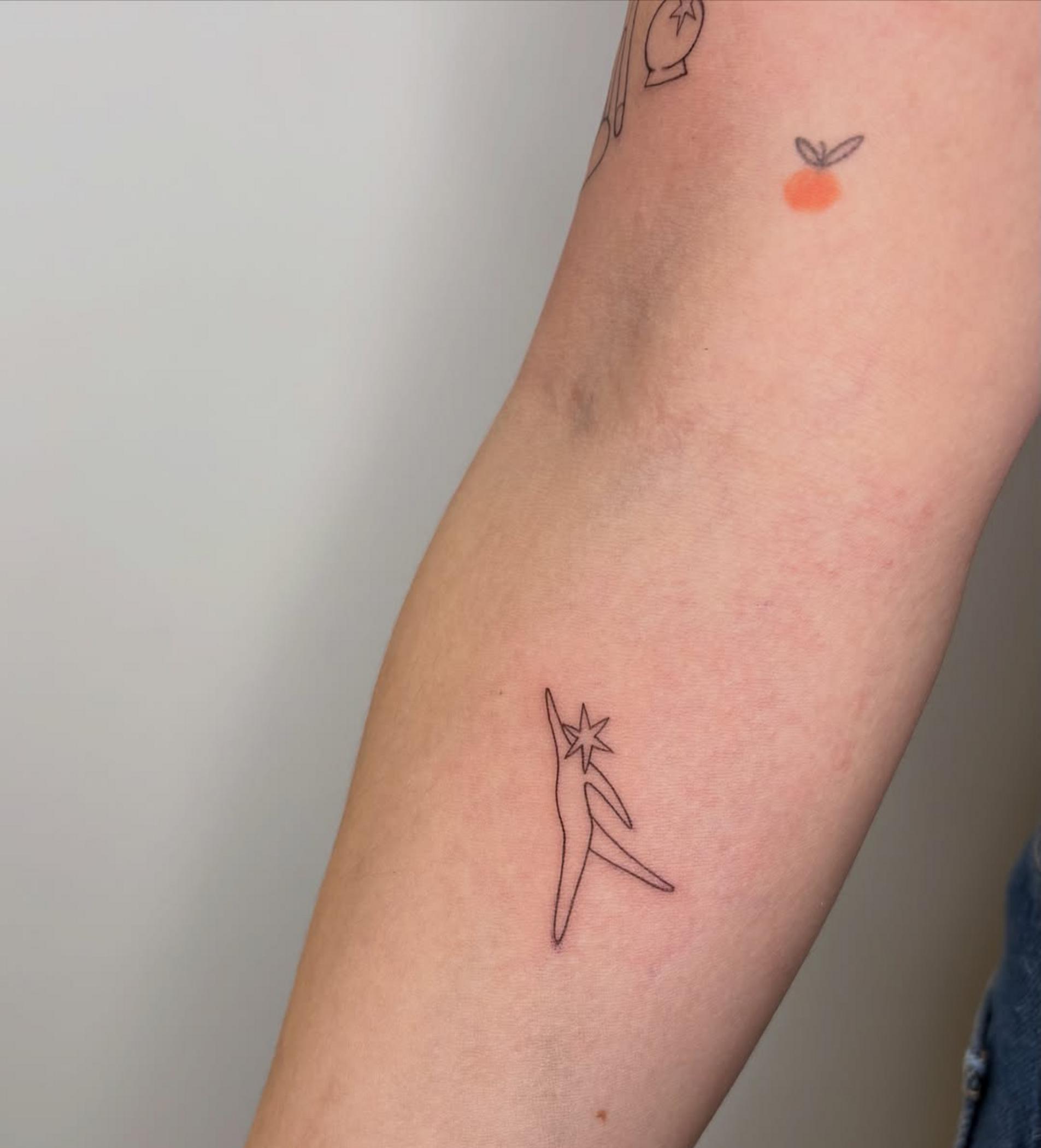
Here’s a simple guide:
| Needle Type | Typical Look | Common Use | What To Watch In Portfolios |
| 1RL | Very fine, delicate line | Single-needle fine line tattoo, microrealism, subtle detail | Should show crisp detail in close-up shots |
| 3RL | Noticeably stronger line | Small tattoos, script, cleaner visibility | Can still look “fine” online, but not truly single needle |
| 5RL | Bolder and darker line | Traditional outlining, stronger structure | Too heavy for true single-needle aesthetics |
In practical terms, many “fine line” tattoos online are actually done with 3RL. That is not wrong. It is just different. If you specifically want a single-needle fine line tattoo, check whether the artist clearly states 1RL and can show healed proof.
Fresh And Healed Tell Different Stories
Here’s the bit most people tend to glaze over, and it’s precisely why they end up feeling let down. Tattoos aren’t done when they’re brand new. Healed vs fresh tattoo pics can look worlds apart – even when it comes to the daintiest work.
In Melbourne, the climate matters too. Dry winters, windy spring days, boisterous summers and active lifestyles all take their toll on healing, especially if you don’t stick to aftercare. The longevity of fine lines depends on where on the body they are, your skin type, sun exposure and how well the tattoo was done in the first place.
What Happens After The Initial Healing
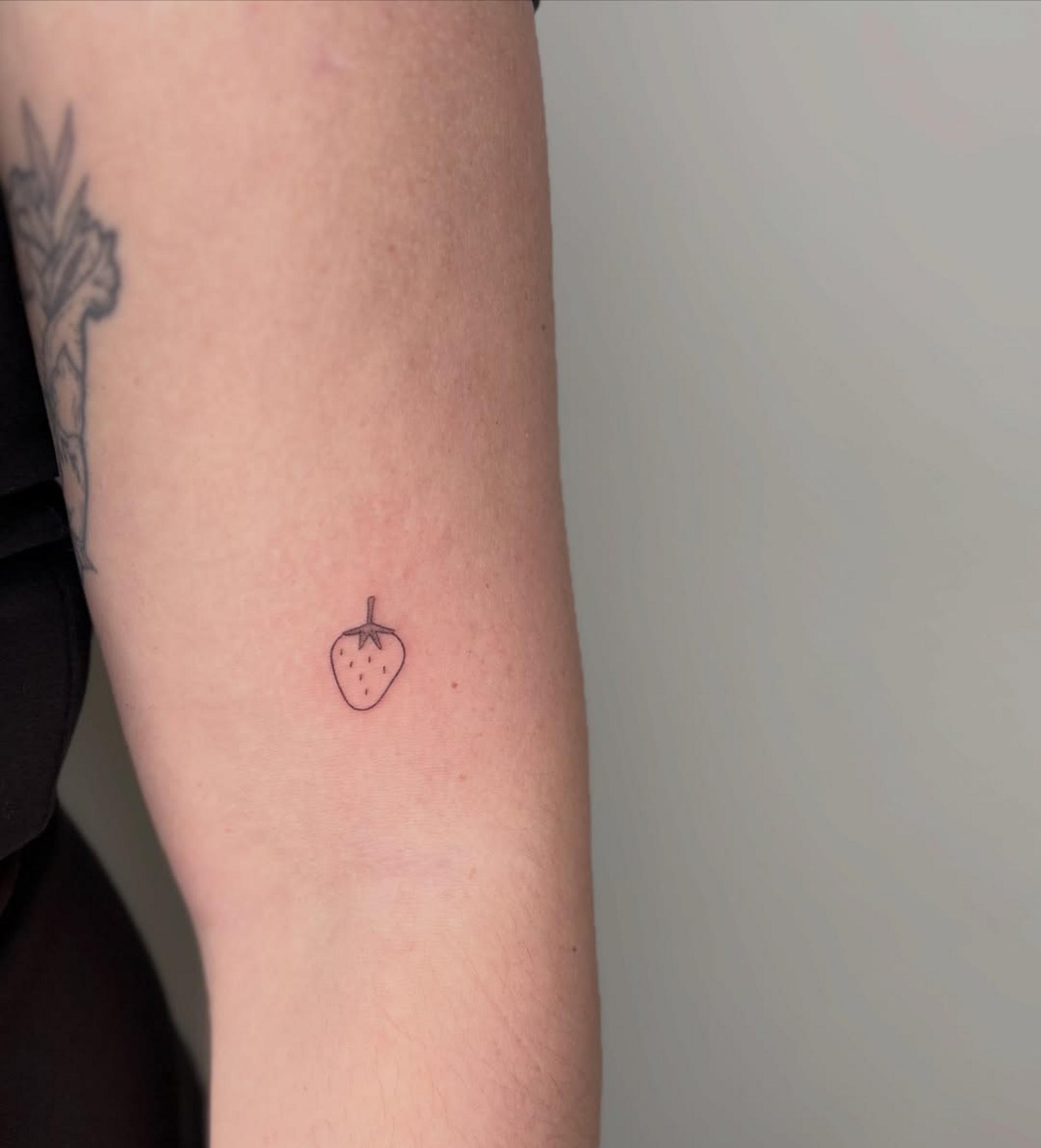
A fresh fine line tattoo can look pretty dramatic – darker and a lot tighter than it does once healed. Once it’s healed, the lines soften, and faint shading can reappear. And yeah, that’s just normal. What you don’t want is to see obvious distortion, fuzzy edges, or whole sections of detail just vanishing.
In my experience of running a studio, what most people get wrong is thinking that a single session will somehow magically produce razor-sharp details that will last forever. Reality is a lot more straightforward: some delicate tattoos are going to require a review or a touch-up, and different body areas are just not as good at holding onto tiny detail.
Don’t Miss The Red Flags
A genuine artist’s portfolio should make it easy for you to make up your mind about their skills. If you have to try and guess what you’re looking at, then maybe you should slow down a bit. Good artists don’t try to hide behind mystery.
Beginner portfolios tend to be over-reliant on dodgy photoshopping, shots taken too far away, or images taken only on the day the tattoo was done. That doesn’t automatically mean the artist is rubbish, but it should definitely raise some questions.
What Builds Trust Fast
Try to look for tattoo artists who show off pictures of healed tattoos, because that’s a pretty good indication of what to expect from their work. A good sign is when they get into the nitty-gritty – talking about line weights that work well, explaining the different types of tattoo needles they use, and showing off their work on different skin tones and body placements. They might even mention how long fine lines really last – that’s usually a good sign of an honest artist.
You can also check out local shops like Designer Ink Tattoos, Art N Soul, Lisa Om, Van Go Tattoo, Mantra Tattoo, Polly Fine Line Tattoos, and Dainty Garden Ink. Just don’t look to copy their style – try to take a closer look at how they put together their portfolios and use that to figure out what makes a good tattoo artist. It’s all about learning to see through the hype.
Using A Better Review Process
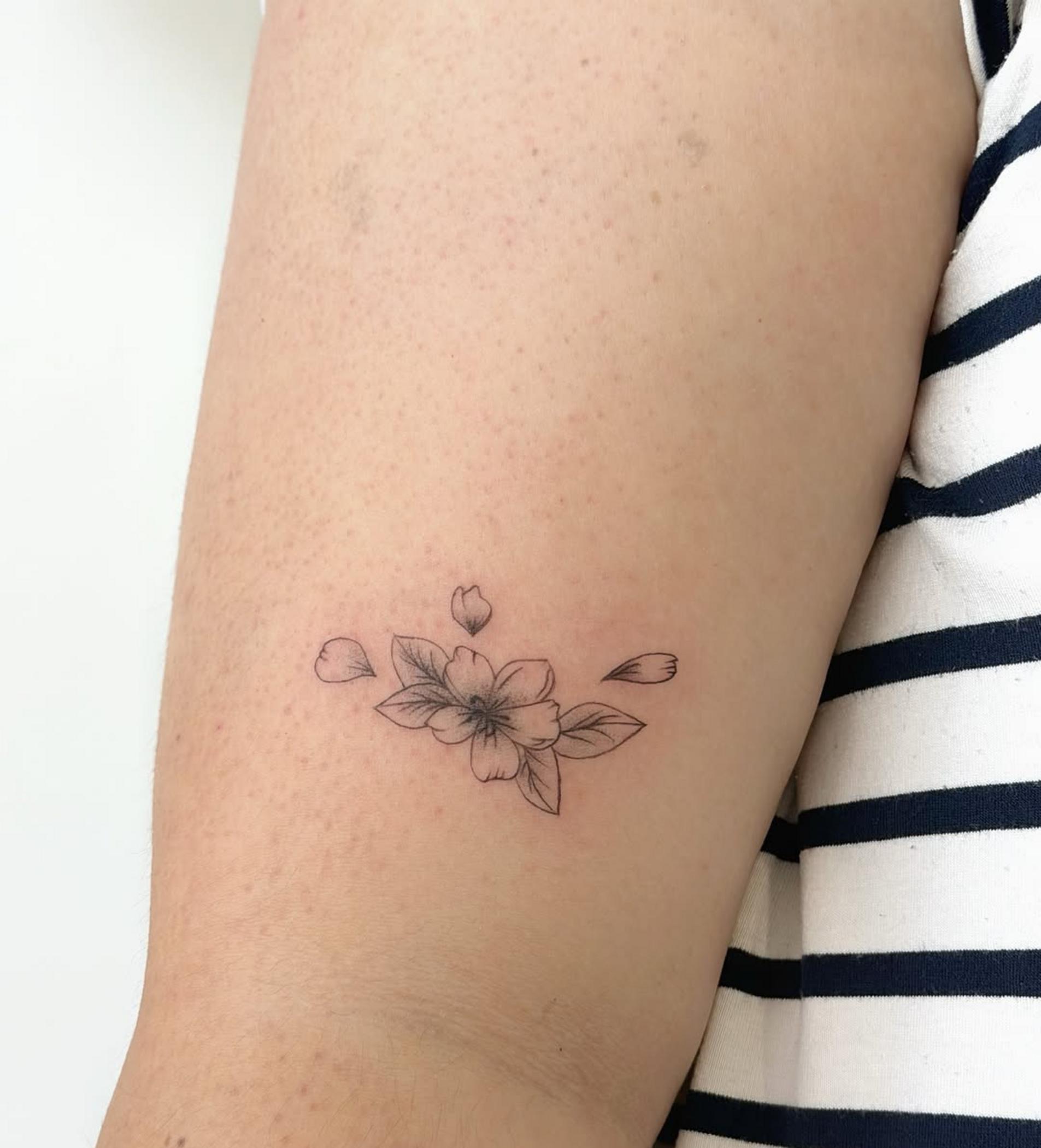
If you’re serious about booking a tattoo, don’t just scroll through some Google results. Take a few extra minutes to really check out an artist’s work. It can save you from regretting a $400 tattoo that turned out not to be what you wanted. In Melbourne, fine line tattoos can cost anywhere from $180 to over $450 for small pieces, and that’s just for a tiny piece of work – custom tattoos, tricky placements, or fixing up mistakes can cost even more.
If you only get one session with an artist, focus on getting the shape and placement right first, then you can worry about the tiny details later. If the design is too complicated for the area, the tiny details are going to be the first thing to get a bit fuzzy.
Questions That Are Worth Asking
- What type of needle did they use on this tattoo (RL, 3RL, something else)?
- Do they have any healed photos of similar tattoos, taken at 6 to 12 weeks after the tattoo was done?
- Where on the body are fine details going to hold up best?
- Would they recommend using a single needle for the design, or would a slightly stronger line age better?
- What’s the deal with touch-ups – how much will it cost, and how long do you have to wait to get it done?
If an artist is being vague or evasive, that’s probably a sign of something. On the other hand, if they can give you clear, honest answers and explain the trade-offs between softness and longevity, that’s usually a good sign.
Final Thoughts From The Studio
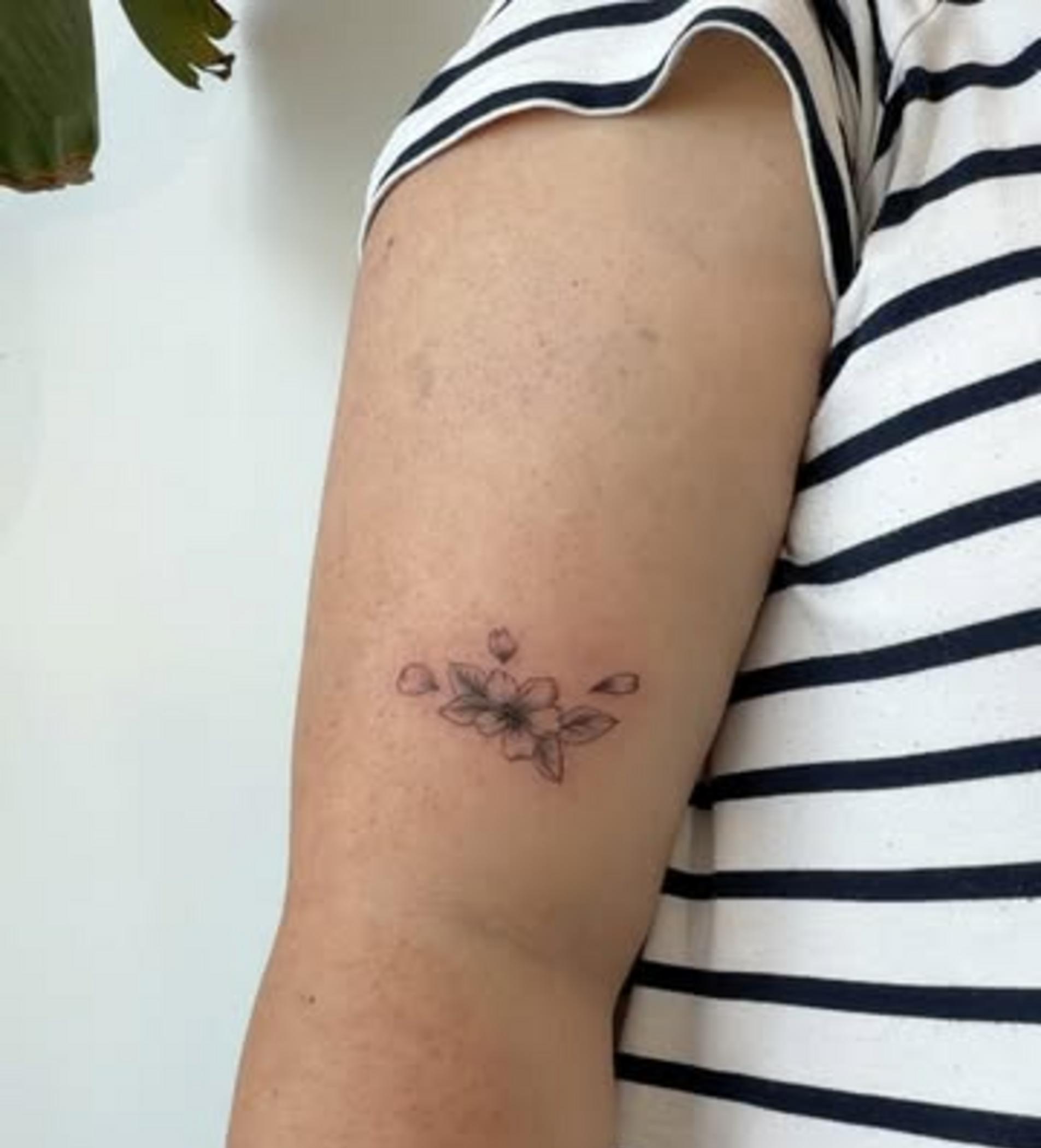
If there’s one thing you take away from all this, it’s this: small does not mean single needle. A single-needle fine-line tattoo should feature super-fine lines, controlled dotwork, or micro-realism, and include healed photos that showcase the artist’s skill in creating delicate work that doesn’t get fuzzy or patchy over time.
I’m Olha Po, and that’s the same advice I give to my clients every day – don’t just choose a tattoo because it looks pretty – choose an artist who really understands how skin heals, how tools work, and what the real outcome is going to be. If you want to learn more about fine-line tattoos, keep reading, ask better questions, and look for portfolios that show the whole picture. Consider taking a fine line tattooing course to deepen your understanding.
FAQ
What’s the difference between a fine line and a single needle tattoo?
Fine line refers to the visual style. Single needle refers to the tool. Not every fine line tattoo uses 1RL.
Do single-needle tattoos fade faster?
Often, yes, they can soften faster than bolder work. Placement, aftercare, sun, and skin type all affect this.
What is the most regretted tattoo placement?
Highly visible areas like hands, fingers, and sometimes ribs are commonly regretted due to fading, distortion, or lifestyle-related changes.
What is the 1/3 rule tattoo?
It usually refers to the design proportion of a body area, not a needle type. Artists use it to help balance composition.
Can I get a tattoo on Mounjaro?
You need medical advice first. If you are dealing with skin changes, healing issues, or appetite-related nutritional deficits, delay until cleared by your doctor.
